

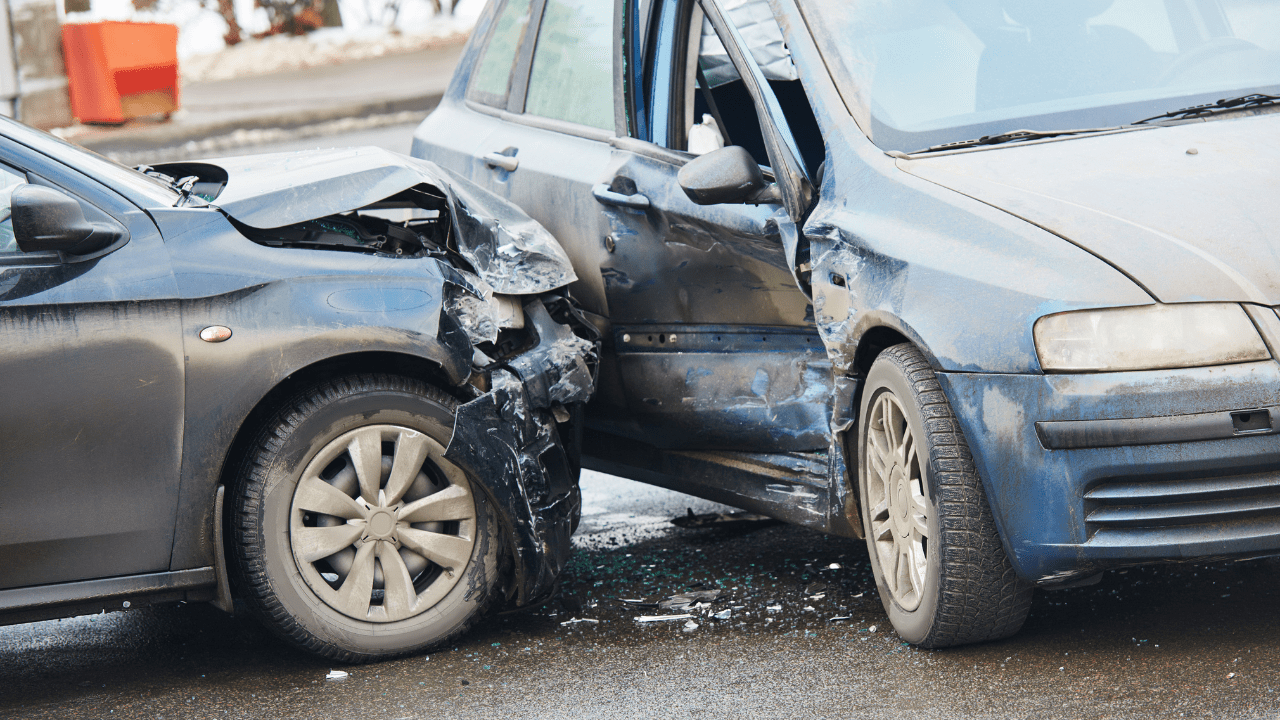
Traffic accidents, whether minor fender-benders or serious collisions, carry legal consequences that can include criminal charges, civil liability, license points, and insurance claims. Even when a driver is not at fault, complex legal and administrative processes often follow an accident. Protecting driving privileges, financial interests, and personal rights requires a strategic defense that accounts for evidence, procedural compliance, and liability determination.
Types of Accident-Related Offenses
Accident-related offenses vary in severity and legal implications. Minor collisions may result in traffic tickets, points, and insurance claims, while serious accidents involving injury or property damage can lead to reckless driving, DUI, or vehicular manslaughter charges. The classification of the offense determines potential penalties, including fines, license suspension, probation, and in extreme cases, imprisonment.
Attorneys evaluate the nature of the incident, the evidence available, and the statutory definitions relevant to the jurisdiction. Establishing whether a driver acted negligently, recklessly, or in compliance with traffic laws is key to developing an effective defense. Contextual factors such as weather conditions, road maintenance, and the actions of other parties are also critical in shaping legal strategy.
Evidence Collection and Analysis
Evidence is central to accident-related defense. Police reports, accident reconstruction data, eyewitness accounts, surveillance footage, and photographs all contribute to the case. Attorneys meticulously review these materials for accuracy, consistency, and procedural compliance.
Common challenges include discrepancies in officer reports, conflicting witness statements, and errors in documenting the scene or vehicle positions. Defense attorneys may also engage expert witnesses to reconstruct the accident and provide unbiased analysis. This thorough examination ensures that all factors are considered and that clients are not unfairly held responsible due to flawed or incomplete evidence.
Civil and Insurance Considerations
Accident-related incidents often trigger civil claims for property damage, medical costs, or lost wages. Insurance companies play a significant role in assessing liability, and disputes frequently arise over fault, coverage, and compensation amounts.
Attorneys assist clients in negotiating with insurance providers, presenting factual evidence, and contesting inflated or inaccurate claims. By coordinating defense strategies across both criminal and civil dimensions, legal counsel ensures that clients’ financial and legal interests are protected. Effective representation reduces exposure to excessive claims and preserves future insurance eligibility.
Criminal Charges and Traffic Court
In accidents involving serious injury, death, or criminal violations such as DUI or reckless driving, drivers may face criminal charges in addition to administrative penalties. Legal defense in these cases requires careful planning, examination of law enforcement procedures, and strategic advocacy in traffic court or criminal proceedings.
Attorneys focus on challenging the sufficiency of evidence, identifying procedural errors, and presenting mitigating circumstances such as emergency situations, mechanical failures, or contributory actions by other drivers. These defenses can reduce charges, prevent convictions, or result in alternative sentencing that limits long-term consequences.
Administrative Hearings and License Protection
Accident-related offenses often trigger administrative actions, including license suspension, points assessment, or mandatory education programs. Administrative hearings operate under strict timelines and rules, and failure to participate or comply can result in automatic penalties.
Legal representation ensures that drivers are prepared for administrative proceedings, present evidence effectively, and explore alternatives such as restricted licenses or diversion programs. Protecting driving privileges is a primary focus, particularly for individuals whose employment or daily life depends on maintaining lawful vehicle operation.
Preventive Measures and Client Education
Education and preventive measures are essential components of accident-related defense. Attorneys advise clients on safe driving practices, compliance with traffic laws, and timely reporting of incidents. Proper documentation, including photographs, witness statements, and insurance notifications, can strengthen defense in future disputes or claims.
Clients are also guided on proactive risk management strategies, such as defensive driving courses, periodic review of insurance coverage, and awareness of vehicle maintenance requirements. By combining legal defense with preventive measures, drivers can reduce the likelihood of future accidents and mitigate potential legal and financial consequences.
FAQs
What should I do immediately after a traffic accident?
Stop the vehicle, ensure safety, notify authorities if required, exchange information with other parties, and document the scene with photos and witness contact details.
Can I be charged even if the accident was not my fault?
Yes, depending on the circumstances, drivers may face citations or charges. Legal defense ensures that liability is accurately assessed and procedural errors are addressed.
How does evidence affect accident-related defense?
Evidence such as police reports, witness statements, and accident reconstruction is critical in determining liability. Attorneys review and challenge evidence to protect client rights.
Will insurance handle all damages automatically?
Insurance companies assess claims independently, and disputes often arise. Legal representation ensures fair settlement and protection from excessive or inaccurate claims.
Why hire a lawyer for accident-related traffic issues?
An attorney safeguards rights, challenges evidence, navigates court and administrative proceedings, and coordinates civil and criminal defense to minimize long-term consequences.
Conclusion
Accident-related traffic defense involves careful analysis of evidence, legal procedures, and liability determinations. Attorneys assist clients in navigating criminal, administrative, and civil processes, protecting driving privileges, financial interests, and personal rights. Thorough defense ensures that clients are not unfairly penalized and that mitigating circumstances are considered.
Looking forward, compliance with traffic laws, proactive safety measures, and timely legal guidance are essential for reducing future risk. Skilled representation provides both immediate protection and long-term strategies to safeguard drivers’ mobility, financial stability, and legal standing following traffic accidents.
